
Ascend.io Review 2026 - Data Automation
Verified Jun 5, 2026 by Tooliverse Editorial
Ascend.io automates the tedious parts of data engineering—from ingestion to deployment—using AI agents that write code, fix bugs, and optimize pipelines. Teams report 7x faster builds and 83% cost reduction compared to traditional ETL tools.
Hands on Lab | Agentic Data Engineering: Using MCP Servers for Agentic DataOps
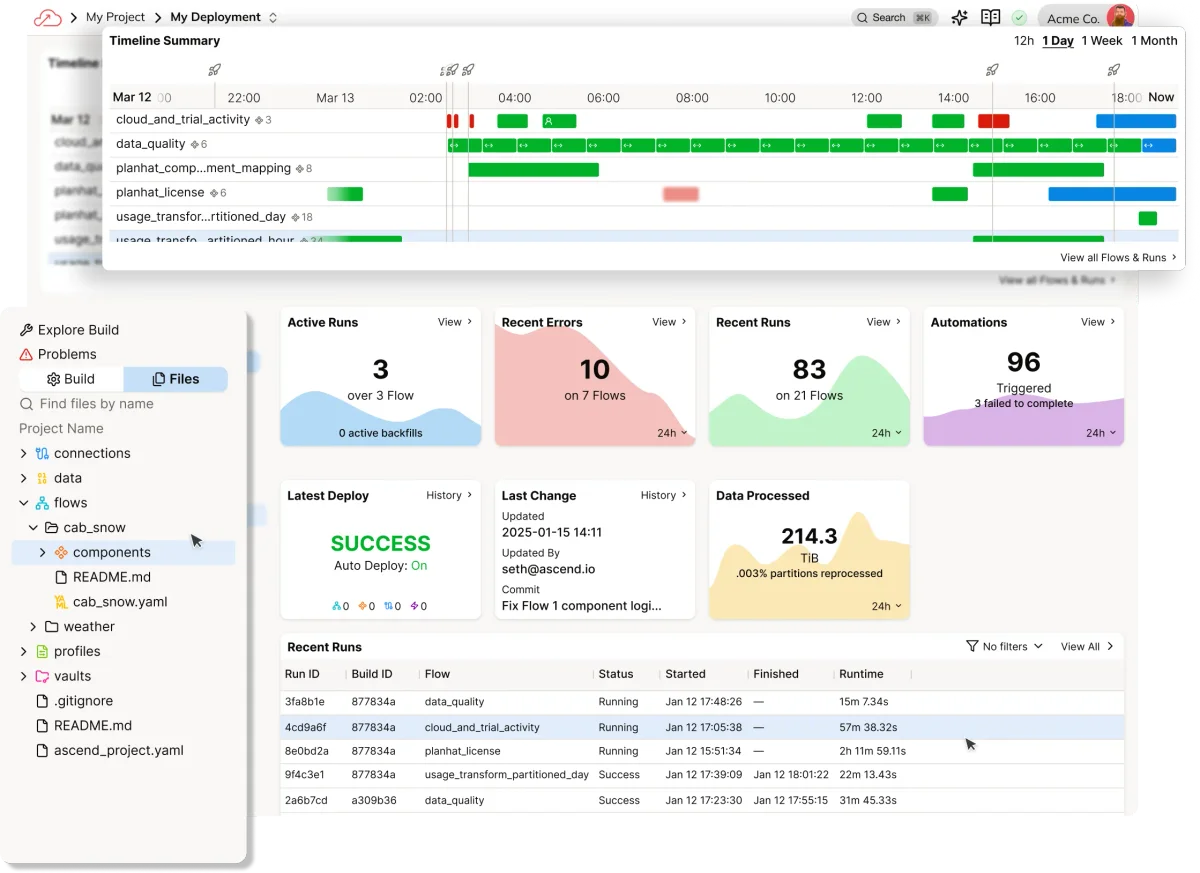
Monitor data pipeline performance, recent runs, and errors at a glance.
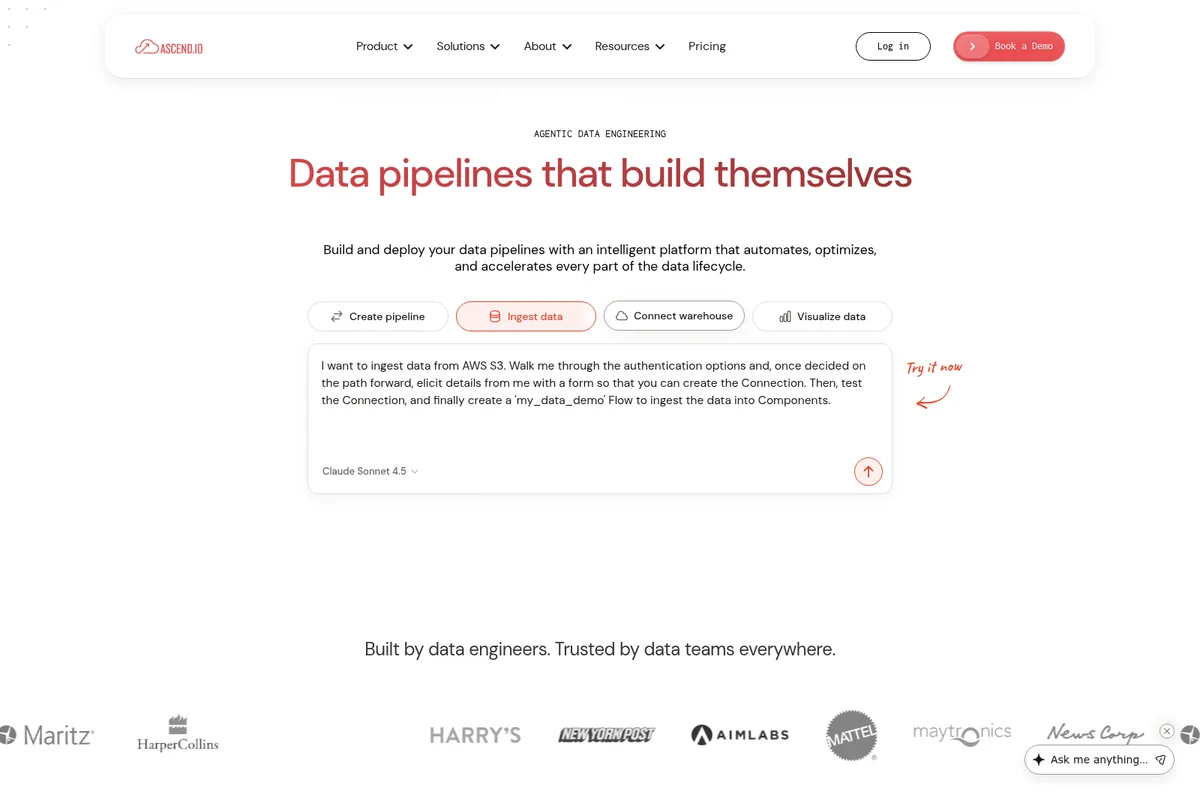
Ingest data from AWS S3 by simply describing your needs via AI.
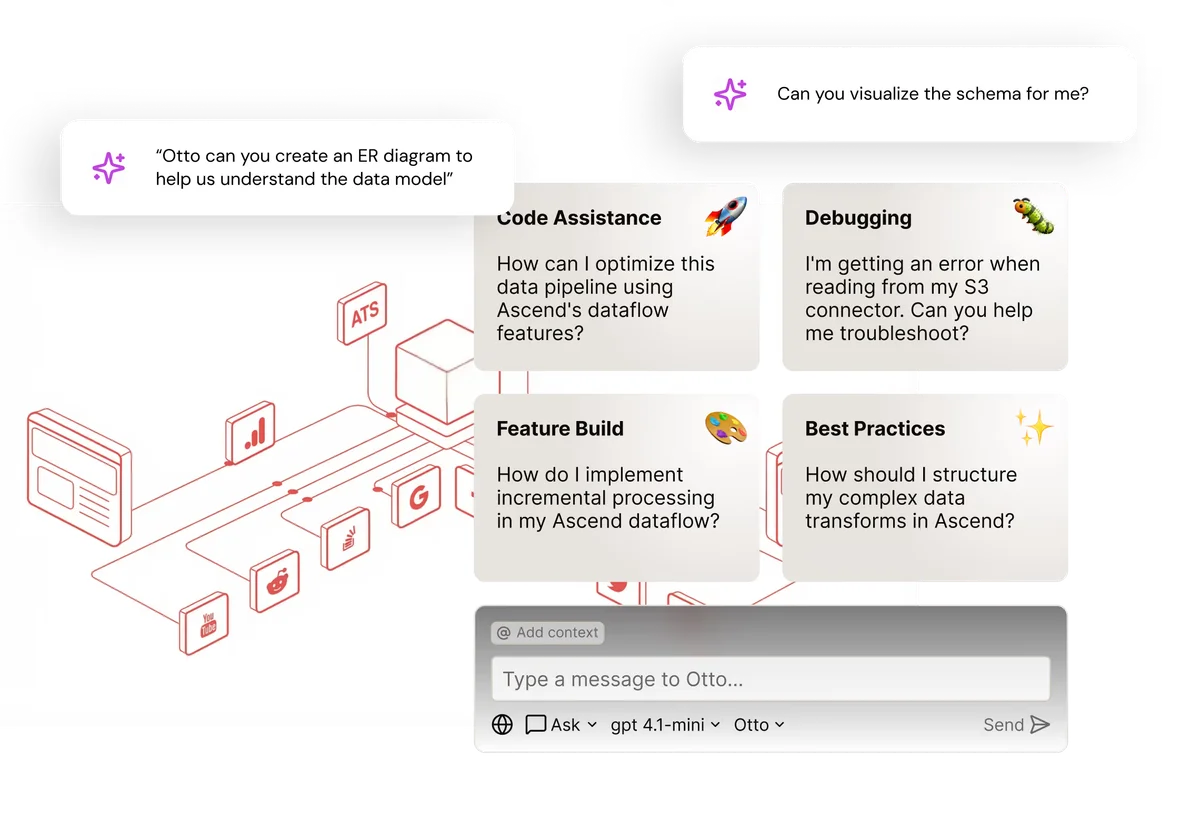
Get instant AI assistance for data pipeline optimization, debugging, and schema visualization.
Accelerate data engineering outcomes by partnering with leading cloud technologies.
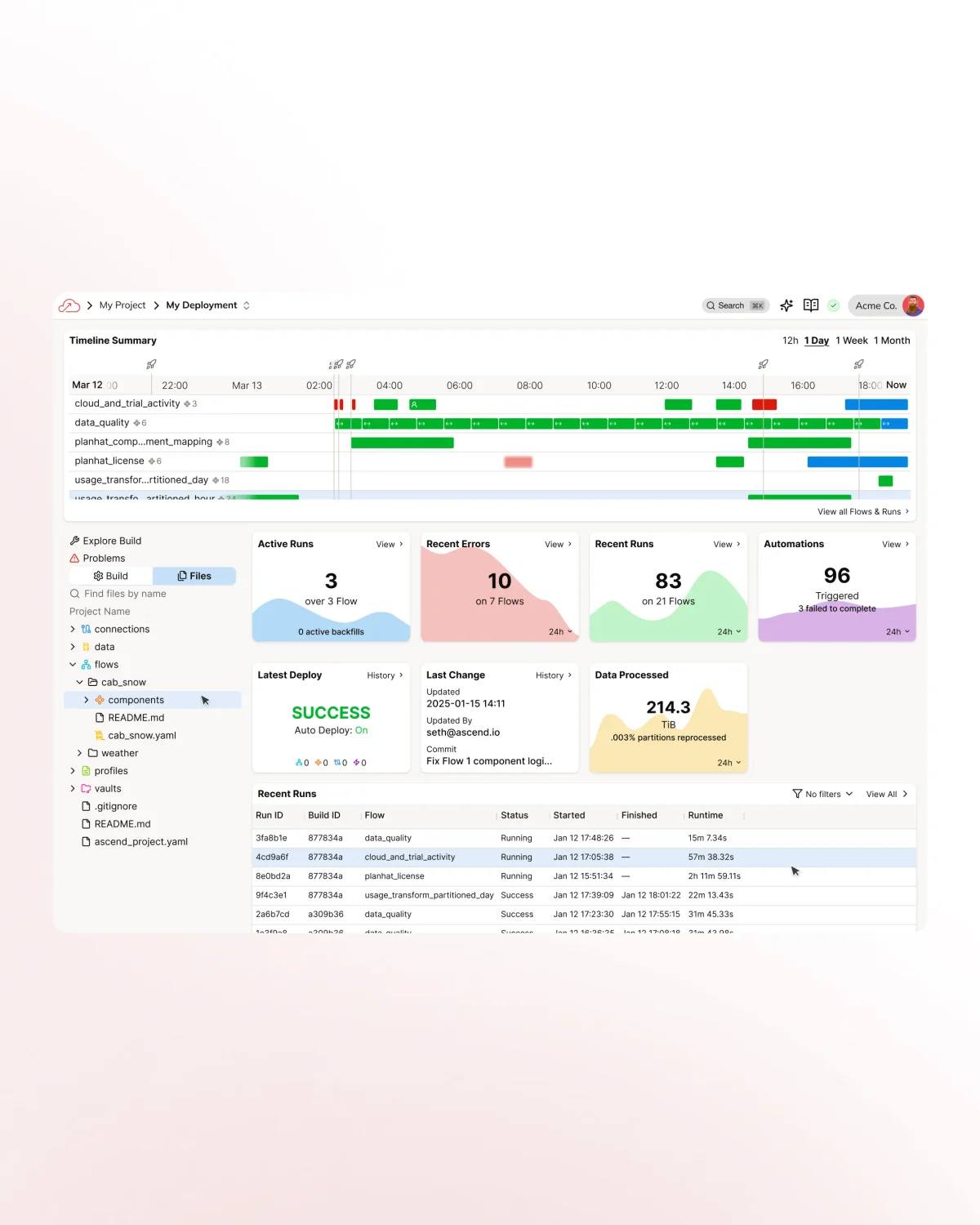
Monitor deployment health and track all data pipeline activities.
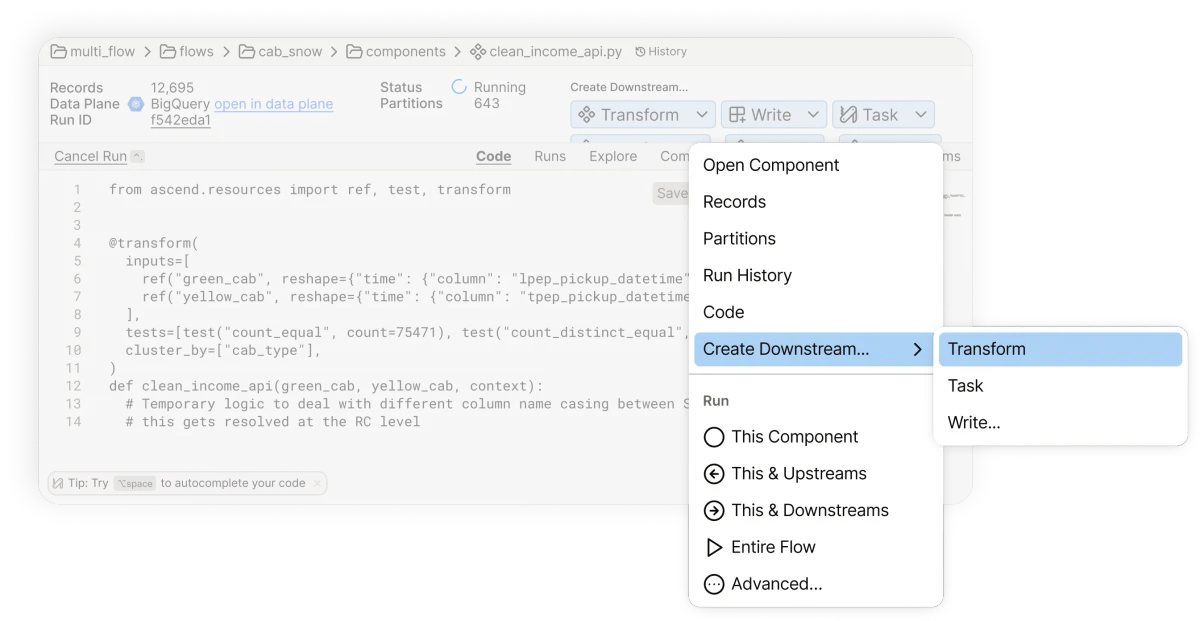
Define data transformations in Python and effortlessly extend your data pipelines.
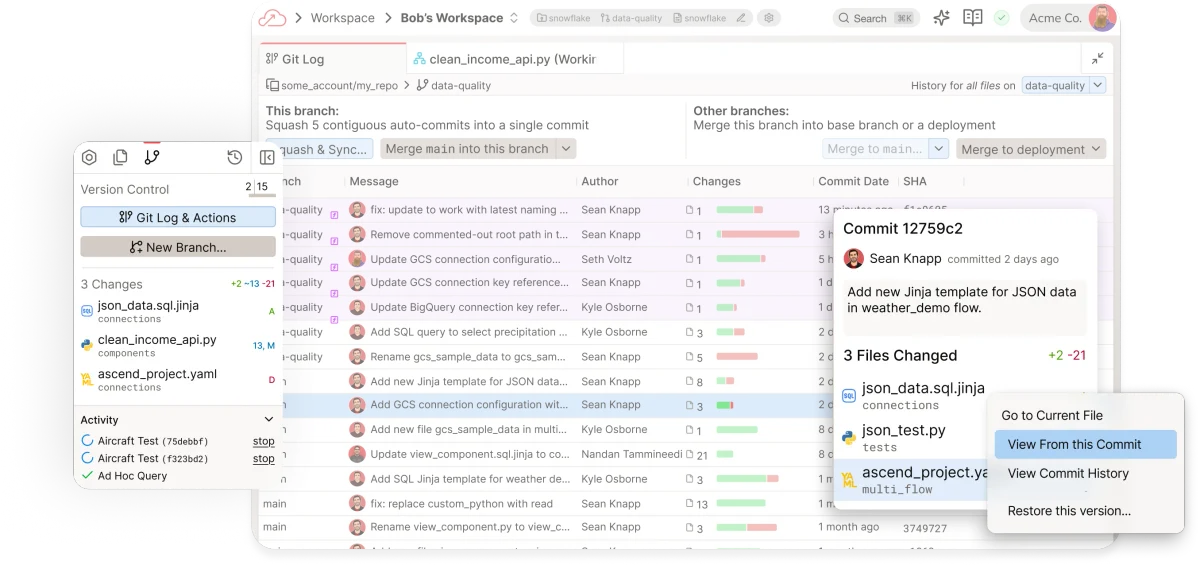
Manage code and data pipeline versions with detailed Git commit history and actions.
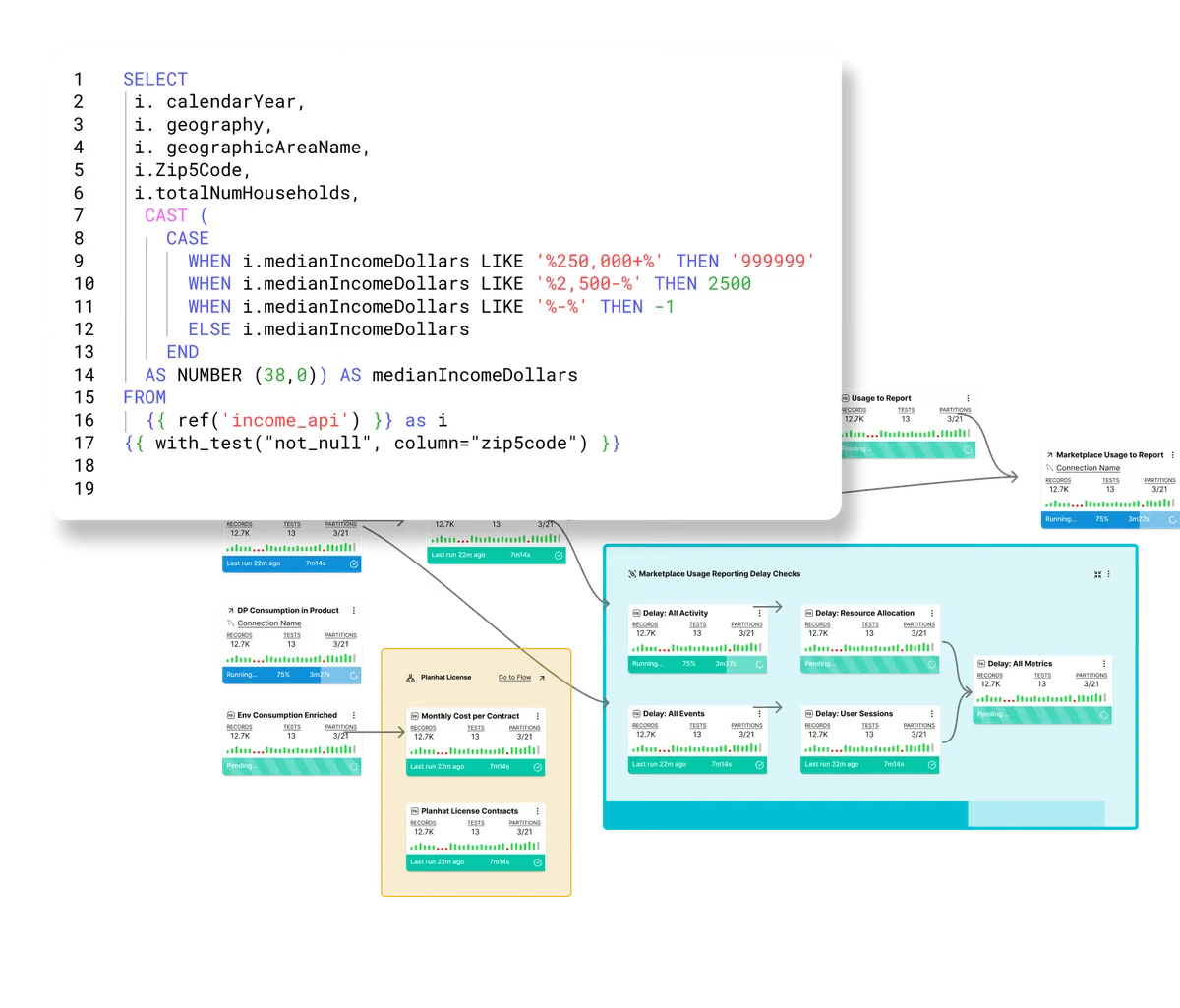
Visually orchestrate and monitor data pipelines with integrated code and lineage.
Ascend.io Review: Tooliverse Consensus





Based on 117 verified reviews across 4 platforms,
combined with Tooliverse's expert analysis
Ascend.io shifts data engineering from pipeline maintenance to data delivery through metadata-driven automation that tracks dependencies, processes only changed data, and handles orchestration complexity that traditionally consumes engineering bandwidth. The DataAware engine and embedded AI agents deliver the 7x productivity gains and 83% cost reductions users consistently report, though teams transitioning from SQL or Airflow face a genuine learning curve adapting to declarative pipeline design. The platform consolidates what used to require multiple tools—orchestration, lineage, monitoring, deployment—into one system, with support quality and incremental processing economics standing out as differentiators.
Bottom line: A leading data engineering platform that automates the operational burden holding back data teams, delivering substantial productivity and cost gains for those willing to invest in the conceptual transition.
Ascend.io | Key Specs
- Platforms
- Web, API
- Pricing Model
- Usage-based ($35-1500/mo) See plans
- Privacy/Data Use
- Policy-as-code governance, Compliance monitoring
- Security
- RBAC, Environment isolation, Audit trails, VPC deployment See details
Wins
- •Automates complex data pipeline orchestration, significantly reducing manual engineering effortmentioned in 42 reviews
- •Provides a unified platform for ingestion, transformation, and orchestration that simplifies the stackmentioned in 38 reviews
- •Features a powerful "data-aware" engine that tracks dependencies and prevents redundant processingmentioned in 35 reviews
Watch-Outs
- •Requires a steep learning curve for teams transitioning from traditional SQL or Airflow environmentsmentioned in 24 reviews
- •Pricing model can become expensive as data volume and pipeline complexity scalementioned in 19 reviews
- •Documentation occasionally lacks depth for advanced edge cases or specific third-party integrationsmentioned in 15 reviews
Ascend.io Features 2026
AI-Native Data Engineering
Embedded AI agents provide inline code completions, auto-generate documentation, troubleshoot errors with context-aware explanations, and generate Git commit messages automatically—accelerating development from design to deployment.
DataAware Automation Engine
Uses rich metadata and SHA-based fingerprinting to orchestrate pipelines intelligently—processing only changed data with dependency-aware scheduling, eliminating unnecessary compute and reducing costs by up to 83%.
Smart Tables (100x Faster Processing)
Metadata-driven optimization that identifies and processes only what's changed using partitioning and fingerprinting—delivering up to 100x faster data processing compared to traditional full-refresh approaches.
Self-Healing Workflows
Automated AI agents detect pipeline failures and auto-remediate issues dynamically—responding to system triggers and reducing manual intervention for common errors.
Ascend.io User Reviews
Selected Reviews
"The most impressive part is the incremental processing. It only runs what it needs to, which saves us a ton on warehouse costs despite the Ascend license fee. It's the only tool I've seen that actually understands the state of the data across the entire pipeline without manual checkpointing."
"Ascend has completely changed how we handle our ETL. The data-aware orchestration means we don't have to worry about upstream changes breaking everything downstream manually. It just works."
"The platform is solid but the learning curve is real. You have to think in "Ascend" terms which is different from standard SQL scripts. Once you get it, it's fast, but expect a month of ramp-up."
More from the Community
"We moved from a messy Airflow setup to Ascend. The speed of development is 2x faster, though the cost is definitely higher than self-hosting. Good for small teams that need to move fast."
"Powerful tool but the UI can be a bit clunky when you have hundreds of components. It's great for visibility, but sometimes I wish the CLI was more robust for bulk changes."
"The support team is top-notch. Whenever we hit a wall with a specific Snowflake integration, they were on a call with us within the hour. Rare to see this level of service."
"Interesting approach to declarative data engineering. It feels like what Airflow should have been if it actually understood the data it was moving. Pricing is the only hurdle for us."
"Ascend's ability to automatically propagate schema changes is a lifesaver. We've reduced our pipeline maintenance time by at least 60% since migrating."
"We moved from a messy Airflow setup to Ascend. The speed of development is 2x faster, though the cost is definitely higher than self-hosting. Good for small teams that need to move fast."
"Powerful tool but the UI can be a bit clunky when you have hundreds of components. It's great for visibility, but sometimes I wish the CLI was more robust for bulk changes."
"The support team is top-notch. Whenever we hit a wall with a specific Snowflake integration, they were on a call with us within the hour. Rare to see this level of service."
"Interesting approach to declarative data engineering. It feels like what Airflow should have been if it actually understood the data it was moving. Pricing is the only hurdle for us."
"Ascend's ability to automatically propagate schema changes is a lifesaver. We've reduced our pipeline maintenance time by at least 60% since migrating."
"Great for unifying our data stack. We use it for everything from S3 ingestion to BigQuery transformations. The visual lineage is excellent for auditing."
"I like that it handles the "plumbing" of data engineering. I don't have to write boilerplate code for retries or state management anymore."
"A very opinionated platform, but the opinions are mostly right. It forces good practices on the team which helps with long-term maintainability."
"Solid platform for enterprise data. The integration with Spark is seamless."
"Great for unifying our data stack. We use it for everything from S3 ingestion to BigQuery transformations. The visual lineage is excellent for auditing."
"I like that it handles the "plumbing" of data engineering. I don't have to write boilerplate code for retries or state management anymore."
"A very opinionated platform, but the opinions are mostly right. It forces good practices on the team which helps with long-term maintainability."
"Solid platform for enterprise data. The integration with Spark is seamless."
Ascend.io Pricing 2026
View SourceThe Developer tier at $225 monthly is the entry point that matters: 150 Ascend Credits, automated deployments, and AI agents that generate code and handle errors. That's where individual engineers or small teams get enough runway to prove the value. Team at $750 monthly is the tier most growing data organizations need—8 builders, 375 credits, and premium support access for architectural guidance. Business at $1,500 monthly makes sense when you need unlimited builders, advanced governance, and enterprise security. The credit economics (1 credit = 2 vCPU hours) mean costs scale with usage, but the intelligent processing that only runs what's changed typically cuts warehouse bills enough to offset the platform fee.
Ascend.io In-Depth Review 2026

This AI-native data engineering platform automates pipeline orchestration using metadata-driven intelligence that tracks dependencies, optimizes compute, and handles the operational overhead that traditionally consumes engineering bandwidth. It runs on Snowflake, Databricks, BigQuery, and MotherDuck, consolidating what used to require stitching together Airflow, dbt, monitoring tools, and custom scripts into a single platform. The embedded AI agents generate code, auto-document pipelines, and troubleshoot errors with context-aware explanations—shifting teams from maintenance mode to building mode.
What It's Like Day-to-Day
The DataAware engine is what makes the daily experience different from traditional ETL platforms. It uses SHA-based fingerprinting to track exactly what's changed in your data and only processes what's affected, which means a schema update in one table automatically propagates downstream without manual intervention. One G2 reviewer captured it perfectly: the data-aware orchestration means "we don't have to worry about upstream changes breaking everything downstream manually. It just works." That automatic dependency management eliminates the constant vigilance that burns out data teams.
The dual interface—visual pipeline builder and full code environment—lets teams work however they think.
Ascend.io Security & Compliance
Security Features
- Role-Based Access Control (RBAC)
- Environment-level isolation
- Audit trails
- VPC deployment (Enterprise tier)
Privacy Commitments
- Policy-as-code governance
- Compliance monitoring built-in
Ascend.io: Frequently Asked Questions (FAQs)
How does Ascend differ from traditional ETL platforms?
Traditional ETL platforms rely on stitching tools together with limited flexibility and static workflows. Ascend offers an AI-native, unified platform where teams build and deploy end-to-end pipelines with agentic assistance. By consolidating data pipeline development within Ascend, teams reduce maintenance, improve observability, and accelerate time to production while leveraging AI to automate routine tasks.
How does Ascend's automation work?
Ascend uses rich metadata to automate pipelines and provide deep context to intelligent agents. This approach goes beyond rigid orchestration tools by providing intelligent optimization—only reprocessing data impacted by changes to logic or the data itself. Embedded agents offload work from teams by monitoring pipelines and responding to system triggers such as pipeline errors dynamically.
How much manual work does Ascend eliminate?
Ascend significantly reduces manual data engineering effort by automating common data operations like orchestration, documentation, and pipeline optimization. Embedded AI agents also boost team productivity from design to deployment. Many teams report up to a 95% reduction in manual work—letting engineers focus on higher-value work like building new data products.
How does Ascend reduce infrastructure costs?
Ascend reduces infrastructure costs by minimizing unnecessary compute through intelligent pipeline optimization. It uses metadata to eliminate redundant runs, avoid reprocessing, and automatically scale workloads based on real-time data changes. Customers often report significant savings across platforms like Snowflake, Databricks, and BigQuery.
Ascend.io Integrations
| Snowflake | Databricks | BigQuery |
| MotherDuck | AWS | Google Cloud |
| Microsoft Azure | Power BI | Tableau |
| Looker | ThoughtSpot | Qubole |
| Vidora | Git |
Ascend.io: Verified Data Sheet
| # | Label | Data Point |
|---|---|---|
| [1] | Ascend.io Consensus: 8.71/10 | Ascend.io is a highly-rated tool among AI analytics tools in the Tooliverse index, with a consensus score of 8.71/10 across 117 verified reviews. |
| [2] | What is Ascend.io | Ascend.io is an AI-native data engineering platform that automates pipeline orchestration using metadata-driven intelligence. Teams report 7x faster builds and 83% cost reduction, with ESG studies showing 500-700% productivity improvements. |
| [3] | Tooliverse Consensus on Ascend.io | Ascend.io shifts data engineering from pipeline maintenance to data delivery through metadata-driven automation that tracks dependencies, processes only changed data, and handles orchestration complexity that traditionally consumes engineering bandwidth. The DataAware engine and embedded AI agents deliver the 7x productivity gains and 83% cost reductions users consistently report, though teams transitioning from SQL or Airflow face a genuine learning curve adapting to declarative pipeline design. The platform consolidates what used to require multiple tools—orchestration, lineage, monitoring, deployment—into one system, with support quality and incremental processing economics standing out as differentiators. |
| [4] | Ascend.io Verdict | Ascend.io bottom line: A leading data engineering platform that automates the operational burden holding back data teams, delivering substantial productivity and cost gains for those willing to invest in the conceptual transition. |
| [5] | Team: $750/month | Ascend.io Team delivers 375 Ascend Credits for $750 per month. |
| [6] | Automates complex pipeline orchestration | Ascend.io automates complex data pipeline orchestration through its DataAware engine, significantly reducing manual engineering effort according to 42 user reviews that validate this as a primary strength. |
| [7] | Unified platform simplifies stack | Ascend.io provides a unified platform consolidating ingestion, transformation, and orchestration capabilities that simplifies the data stack, validated by 38 user reviews highlighting this consolidation benefit. |
| [8] | Data-aware dependency tracking | Ascend.io features a data-aware engine using SHA-based fingerprinting that tracks dependencies and prevents redundant processing, with 35 reviews confirming this intelligent optimization capability. |
| [9] | Explorer: $35/month | Ascend.io Explorer empowers users with 50 Ascend Credits (1 credit = 2 vCPU hours) for just $35 monthly. |
| [10] | Exceptional customer support | Ascend.io delivers exceptional customer support that helps teams resolve complex architectural challenges quickly, with 31 user reviews specifically praising the responsiveness and technical depth of the support team. |
| [11] | Steep learning curve from SQL/Airflow | Ascend.io requires a steep learning curve for teams transitioning from traditional SQL or Airflow environments, with 24 user reports noting the conceptual shift needed to think in Ascend's declarative paradigm. |
| [12] | Pricing scales with complexity | Ascend.io pricing can become expensive as data volume and pipeline complexity scale, according to 19 user reviews that cite cost concerns despite acknowledging infrastructure savings elsewhere. |
| [13] | Privacy: Policy-as-code governance | Ascend.io privacy protections include Policy-as-code governance and Compliance monitoring built-in. |
| [14] | Enterprise: Role-Based Access Control (RBAC) | Ascend.io provides enterprise security with Role-Based Access Control (RBAC), Environment-level isolation, and Audit trails. |
| [15] | Automatic dependency management | Ascend.io's data-aware orchestration means teams don't have to worry about upstream changes breaking downstream dependencies manually, as a verified G2 reviewer noted: "It just works." |
Best Ascend.io Alternatives
Mage AI
Ship data pipelines at the speed of thought with AI that codes, debugs, and optimizes for you.

Querio
Turn your entire team into data analysts with AI that speaks plain language and runs on your warehouse.
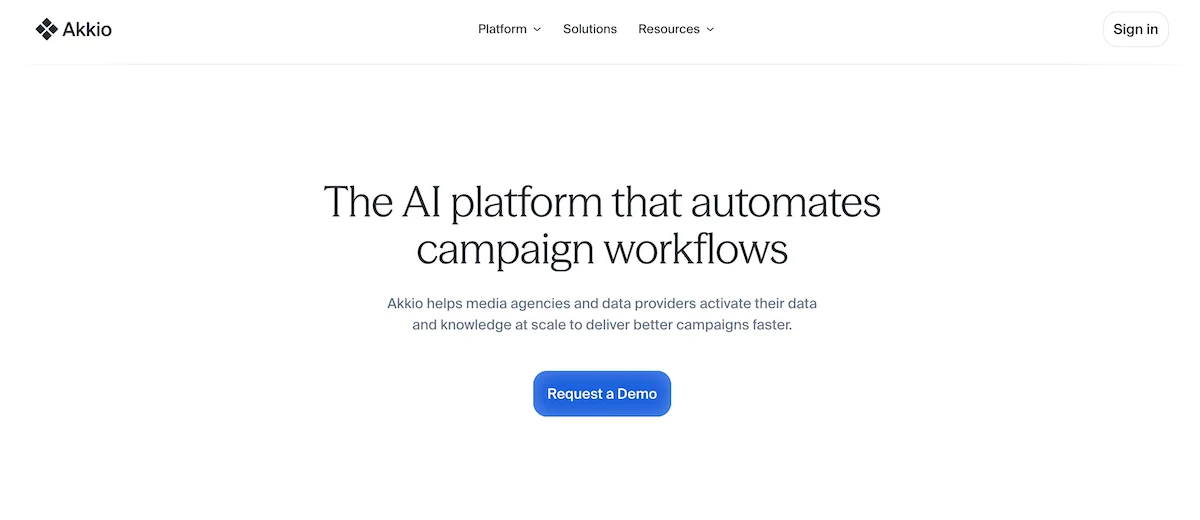
Akkio
Turn fragmented campaign data into AI-powered insights that help agencies deliver winning campaigns faster.