
Connected Papers vs Litmaps: Instant Field Maps or Ongoing Alerts (2026)
Verified Sep 29, 2026 by Tooliverse Editorial
Connected Papers and Litmaps both turn a seed paper into a visual map of related research, aimed at students and academics running literature reviews. They differ mainly in whether the map is a quick snapshot or part of an ongoing workflow.
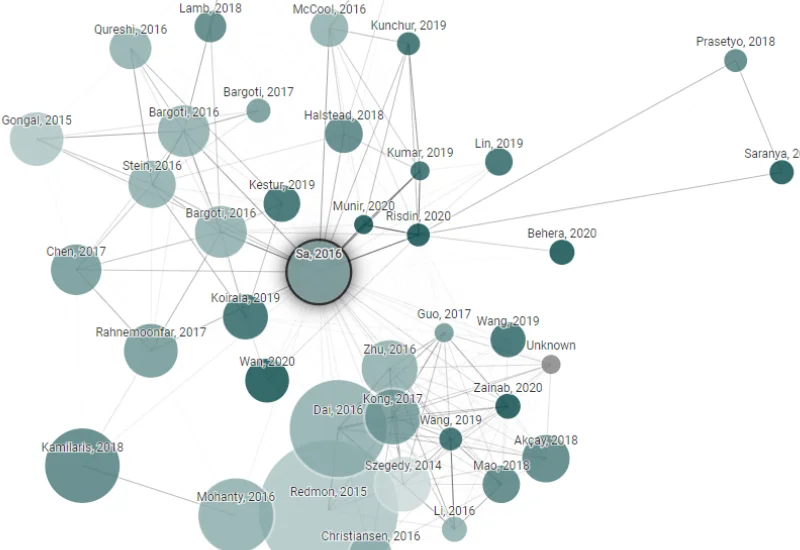
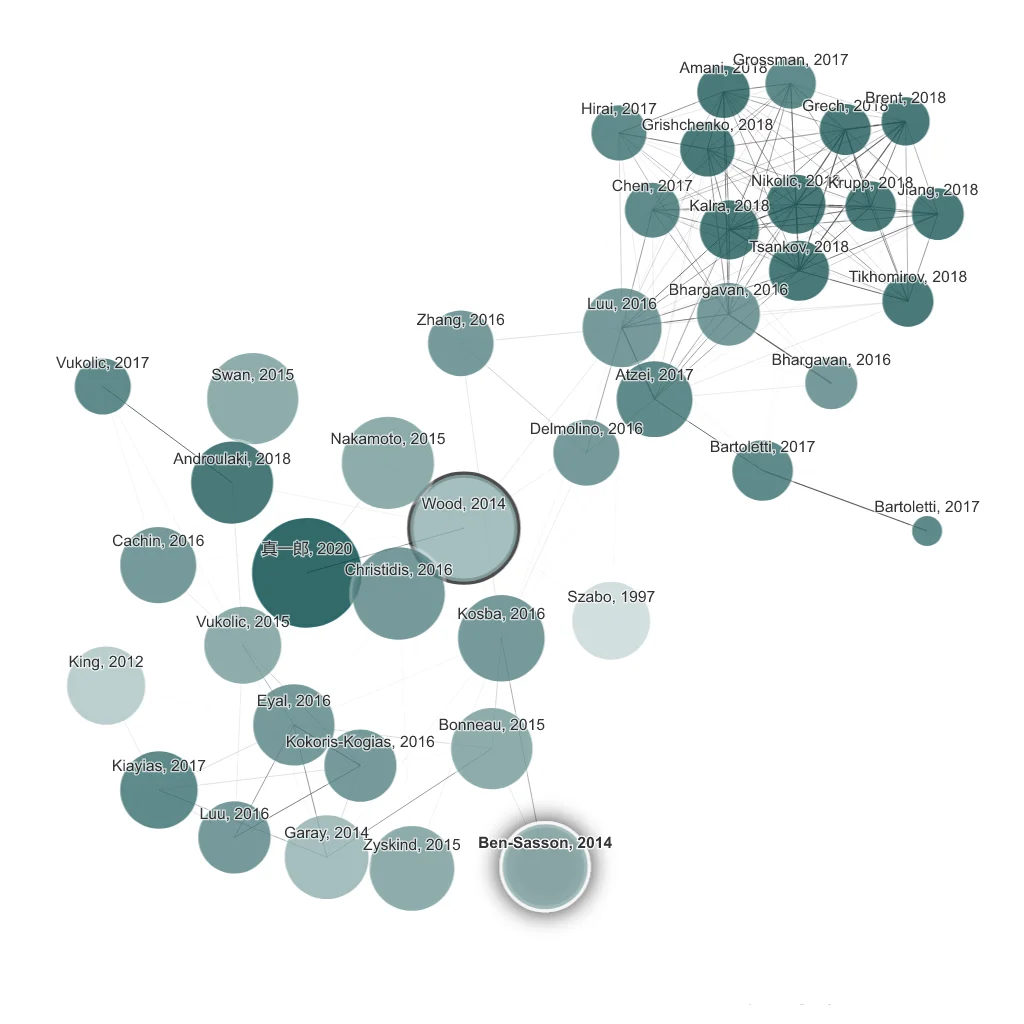
Connected-Papers network visualization showing interconnected research papers and citation relationships with a clean, interactive graph interface.
 Litmaps
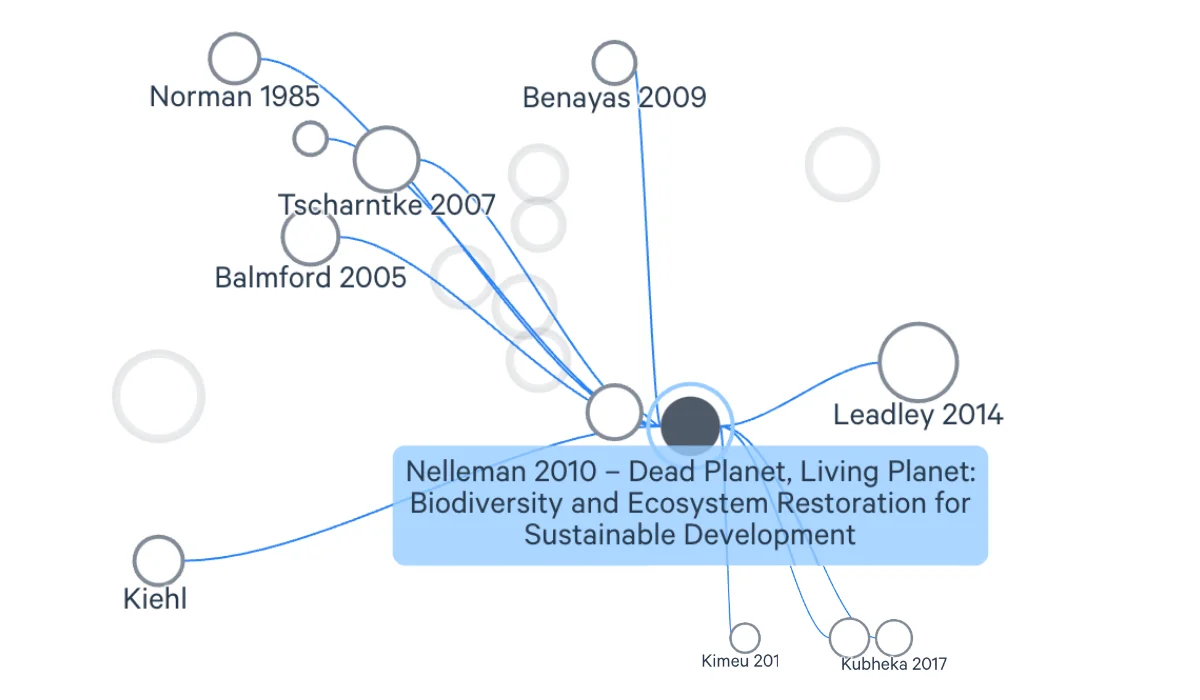
Litmaps workspace showing a citation network graph with a highlighted central paper and connected literature in a clean interface.
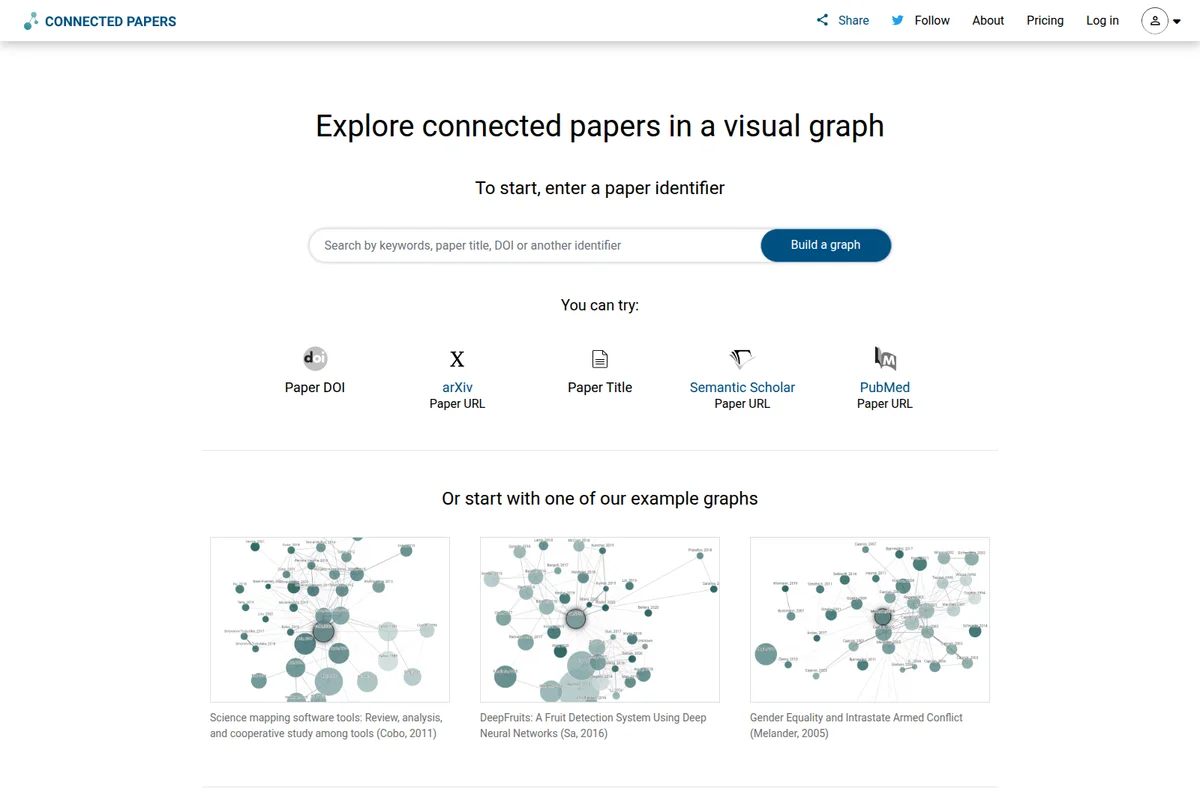
Connected Papers paper exploration interface showing search input for paper identifiers and three example visual graphs.
 Litmaps
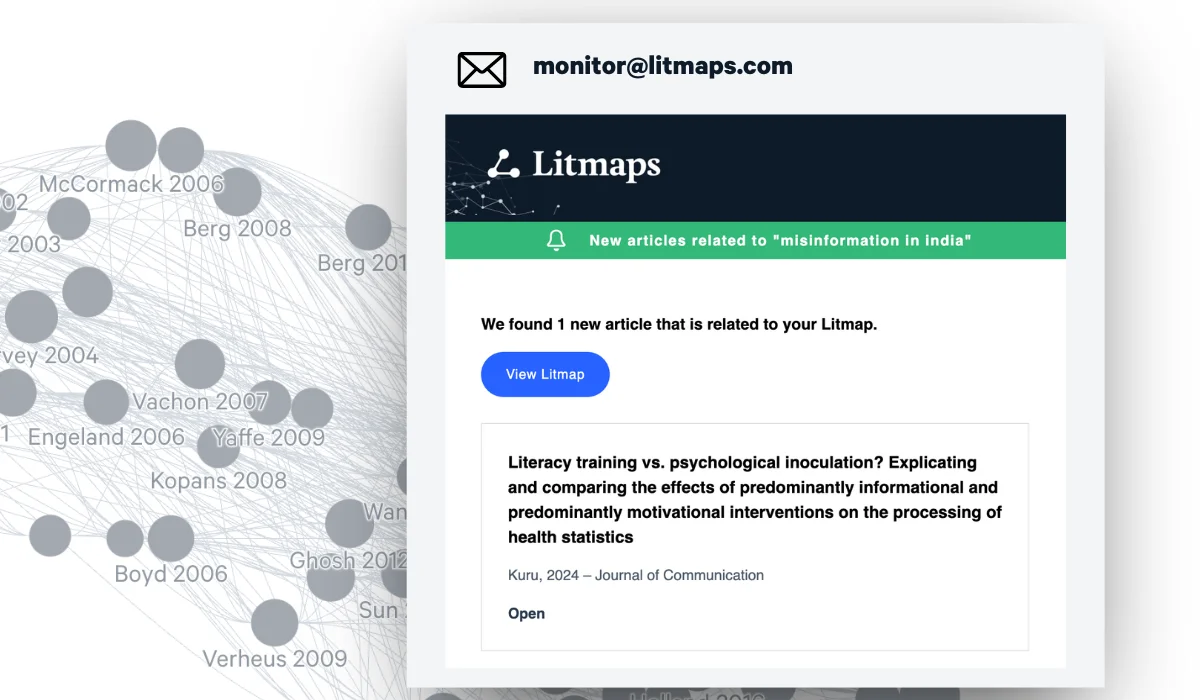
Litmaps feature deep-dive showing a new article notification for 'misinformation in India' over a research network graph.
Connected Papers vs Litmaps Review: Tooliverse Consensus






Based on 619 verified reviews across 7 platforms,
combined with Tooliverse's expert analysis
Connected Papers scores 9.34/10 from 384 reviews; Litmaps scores 9.02/10 from 235. Connected Papers wins praise for its clean, zero-learning-curve interface and Prior Works and Derivative Works views, though its free tier stops at 5 graphs per month and it offers no AI summarization. Litmaps adds Zotero and Mendeley integrations and research gap detection, but reviewers cite Pro pricing for independent researchers and a learning curve for advanced filtering. Both can miss very recent preprints, so verify new work elsewhere.
Bottom line: Choose Connected Papers for fast, one-paper field maps with a simple interface; choose Litmaps if you want literature alerts, Zotero and Mendeley sync, and team sharing for a longer-running review project.
Where Each Tool Wins
Strengths unique to each tool (what both do well is covered further down)
- •Identifies seminal "Prior Art" and "Derivative Works" that traditional searches missmentioned in 156 reviews
- •Accelerates the literature review process by clustering thematically similar papersmentioned in 142 reviews
- •Provides a clean, distraction-free interface that requires zero learning curvementioned in 84 reviews
Litmaps- •Uncovers critical papers and research gaps that traditional keyword searches often missmentioned in 62 reviews
- •Integrates seamlessly with reference managers like Zotero and Mendeley to streamline workflowsmentioned in 54 reviews
- •Saves significant time during the initial stages of systematic literature mappingmentioned in 42 reviews
Each Tool’s Watch-Outs
Drawbacks unique to each tool
- •Lacks AI-driven text summarization or synthesis found in newer competitorsmentioned in 41 reviews
- •Visual graphs can become cluttered and difficult to read with many nodesmentioned in 28 reviews
- •Requires a paid subscription for high-resolution exports and unlimited historymentioned in 22 reviews
Litmaps- •Premium subscription costs can be prohibitive for independent or early-career researchersmentioned in 38 reviews
- •Advanced filtering and mapping features require a learning curve for new usersmentioned in 18 reviews
- •Mobile application lacks some of the advanced functionality found in the web versionmentioned in 15 reviews
Which Tool Is Best for Your Use Case?
| Use case | Litmaps | |
|---|---|---|
Quick field exploration Connected Papers reviewers highlight a zero-learning-curve interface and Prior Works and Derivative Works views, while Litmaps users report a learning curve for advanced filtering. | Excellent | Strong |
Ongoing literature monitoring Litmaps includes Monitor & Alerts with daily or configurable frequency on paid plans, and Connected Papers doesn't advertise an equivalent. | Fair | Excellent |
Team collaboration Litmaps offers Share & Collaborate and Litmaps Teams, while Connected Papers offers group plans with admin seat management and a single invoice. | Strong | Excellent |
Free-tier evaluation Connected Papers' free tier includes all features at 5 graphs per month, while the Litmaps free tier is capped at 2 maps and 100 articles per map. | Strong | Fair |
Reference manager workflows Connected Papers is praised for its Zotero handoff, while Litmaps reviewers credit both Zotero and Mendeley integrations and it lists a Zotero Sync feature. | Strong | Excellent |

One tool suits a quick look, the other a long haul. The 62 reviewers who hit Connected Papers' cap of 5 graphs per month and the 38 who balked at Litmaps' premium pricing show where each tool starts charging you. If you map a field occasionally, stay free with Connected Papers; if you keep hitting the cap, its Academic plan at $6/month fixes that. If your review runs for months and needs alerts or team sharing, pay for Litmaps Pro at $10/month.
Connected Papers vs Litmaps Pricing 2026
Connected Papers starts at $6/month on Academic after a free tier to trial it, while Litmaps starts at $10/month on Pro after a free tier to trial it. Over a full year that is roughly $72 for Connected Papers versus $120 for Litmaps with annual billing.
Academic
- Unlimited graphs
- All features included
- For academics, non-profits and personal use
- Billed 72 USD annually
LitmapsPro
- Advanced search
- Unlimited inputs
- Unlimited articles
- Unlimited Litmaps
- Daily/configurable literature alerts
The Costs the Pricing Pages Don't Mention
- Free-tier ceilings
- Connected Papers stops at 5 graphs per month, and Litmaps caps free users at 2 maps and 100 articles per map. An active review will likely push you to a paid plan.
- Academic-only licensing
- Connected Papers' Academic plan is restricted to academic, non-profit and personal use, so commercial users need the pricier Business tier.
- Annual billing commitment
- Connected Papers' paid plans are billed annually, and Litmaps' $120/year option is billed annually as well. Litmaps' monthly Pro is $10/month.
- Paid export and history limits
- Connected Papers reviewers note that high-resolution exports and unlimited history require a paid subscription, and Litmaps reviewers cite strict export limits on its free tier.
Connected Papers vs Litmaps: Feature Comparison
As advertised on each tool's own site — "not advertised" doesn't necessarily mean missing.
| Feature | Litmaps | |
|---|---|---|
| Both tools | ||
| Visual paper map | ✓ | ✓ |
| Start from seed paper | ✓ | ✓ |
| Related-paper discovery | ✓ | ✓ |
| Corpus size and coverage | ✓ | ✓ |
| Team and group access | ✓ | ✓ |
| Highlighted by Connected Papers | ||
| Force-directed clustering layout | ✓ | not advertised |
| Follow-up and review paper finder | ✓ | not advertised |
| In-graph abstract and PDF access | ✓ | not advertised |
| Institution-wide access | ✓ | not advertised |
| Highlighted by Litmaps | ||
| New-publication email alerts | not advertised | ✓ |
| Sharing maps with others | not advertised | ✓ |
| Research gap spotting | not advertised | ✓ |
| Published search methodology | not advertised | ✓ |
Connected Papers vs Litmaps: User Reviews
Selected to show the range — the strongest praise and the most useful criticism for each.
Litmaps"Connected Papers is the first tool I open when starting a new project. The way it clusters related research is incredibly intuitive and saves me hours of manual citation chasing."
Litmaps"The customer support is excellent. I had an issue with my institutional login and they resolved it within hours. The tool itself is indispensable for systematic reviews."
"The visual graph is a game changer for my PhD literature review. It found three seminal papers I completely missed using Google Scholar just by starting with one seed paper."
Litmaps"As a PhD student, this is my most used tool after my reference manager. It helps me visualize the genealogy of an idea across decades of research."
"Excellent for mapping out a field. Sometimes it misses very new preprints compared to Google Scholar, but for established literature, it's perfect."
Litmaps"The iPad app is decent for reading and mapping, but it lacks some of the advanced filtering options available on the desktop version. Still very useful for quick checks."
Connected Papers vs Litmaps: Frequently Asked Questions (FAQs)
Which has the better free tier, Connected Papers or Litmaps?
Connected Papers' free tier includes all features but stops at 5 graphs per month. Litmaps' free tier allows 2 maps with 100 articles per map and a monthly literature alert summary. Both are best treated as trials for an active project.
How much do Connected Papers and Litmaps cost for paid plans?
Connected Papers Academic is $6/month billed annually, with unlimited graphs and the same features as free. Litmaps Pro is $10/month, or $120/year billed annually, with unlimited maps, inputs and articles.
Do both tools integrate with Zotero?
Yes. Connected Papers reviewers praise its Zotero handoff, and Litmaps lists a Zotero Sync feature. Litmaps reviewers also credit a Mendeley integration.
Does either tool offer AI summarization?
Connected Papers reviewers note it lacks AI-driven text summarization or synthesis found in newer competitors. Litmaps doesn't advertise AI summarization either; its features center on citation-based discovery and research gap detection.
Is there a student discount?
Litmaps offers 75% off Pro with an Educational License, which requires an academic email address. Connected Papers' Academic plan is priced at $6/month billed annually for academics, non-profits and personal use.
Which is better for teams or institutions?
Connected Papers offers group plans with admin seat management and Academic Library access with email, IP and SSO options. Litmaps offers Team and Enterprise tiers, both priced by contacting the company.
How this comparison works
Consensus Scores aggregate verified reviews from 8 platforms — Reddit, Product Hunt, G2, Capterra, app stores and more — weighted by source reliability.
Features and pricing come from each tool's official site, last verified Sep 29, 2026. Verdicts are computed from this data.
The Editor's Note is our experts' read of what the data means for your decision — and comparison placement is never for sale. Editorial Policy
Related Comparisons
Best Connected Papers & Litmaps Alternatives
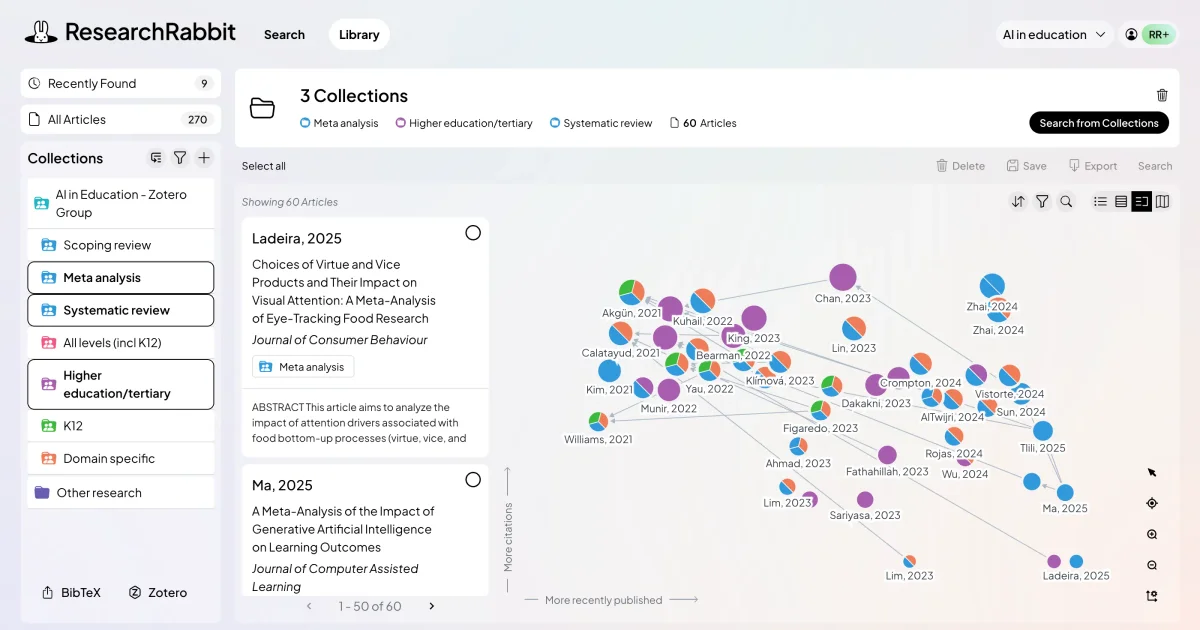
ResearchRabbit
Turn one paper into a map of ideas and finally see where your research should go next.

Semantic Scholar
Find, skim, and understand scientific papers faster with free AI-powered search and discovery.

Scite
Get research answers you can verify, grounded in real papers and Smart Citations.
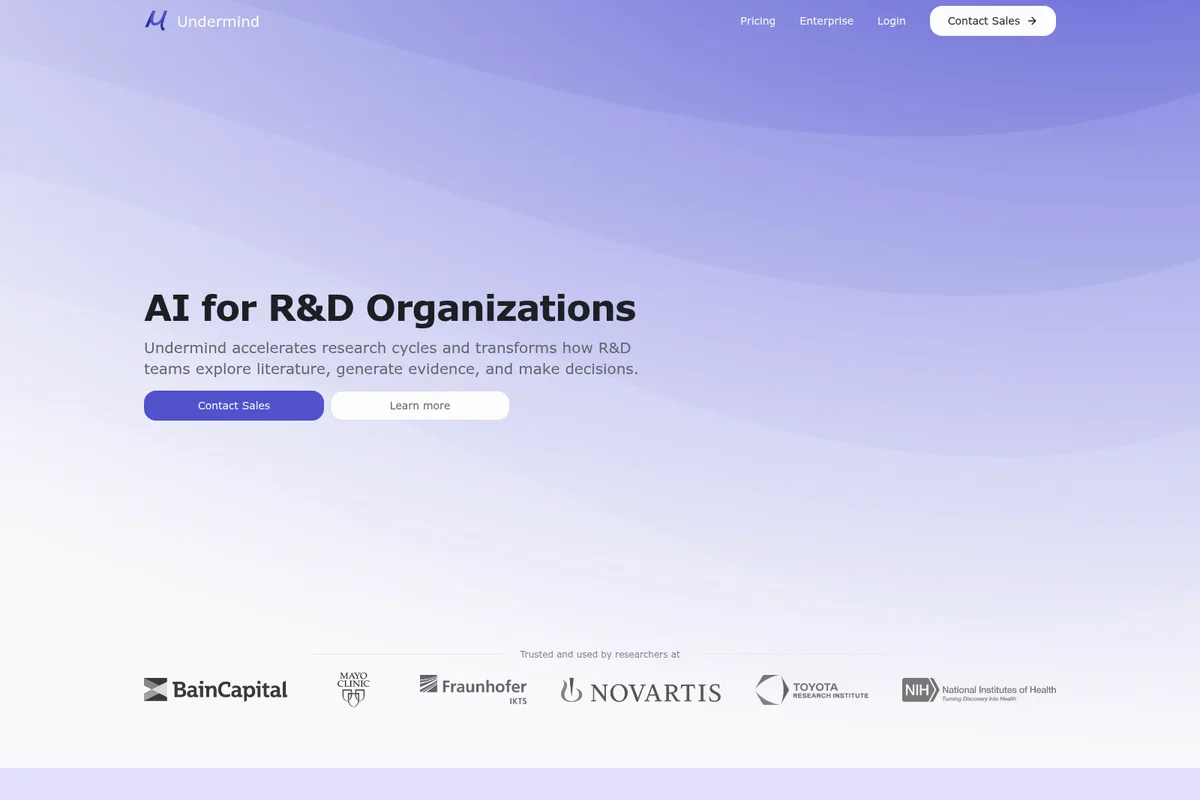
Undermind
Find the papers others miss and build real command of your research field with AI that reads the literature for you.
PapersFlow
Research faster and write smarter with an AI companion built for real academic literature.